Evaluation of Physical Education, Sports, and Health Learning Through a Goal-Free Approach to Reveal Unexpected Outcomes
Keywords:
physical education, goal-free evaluation, unexpected outcomes, learning evaluationAbstract
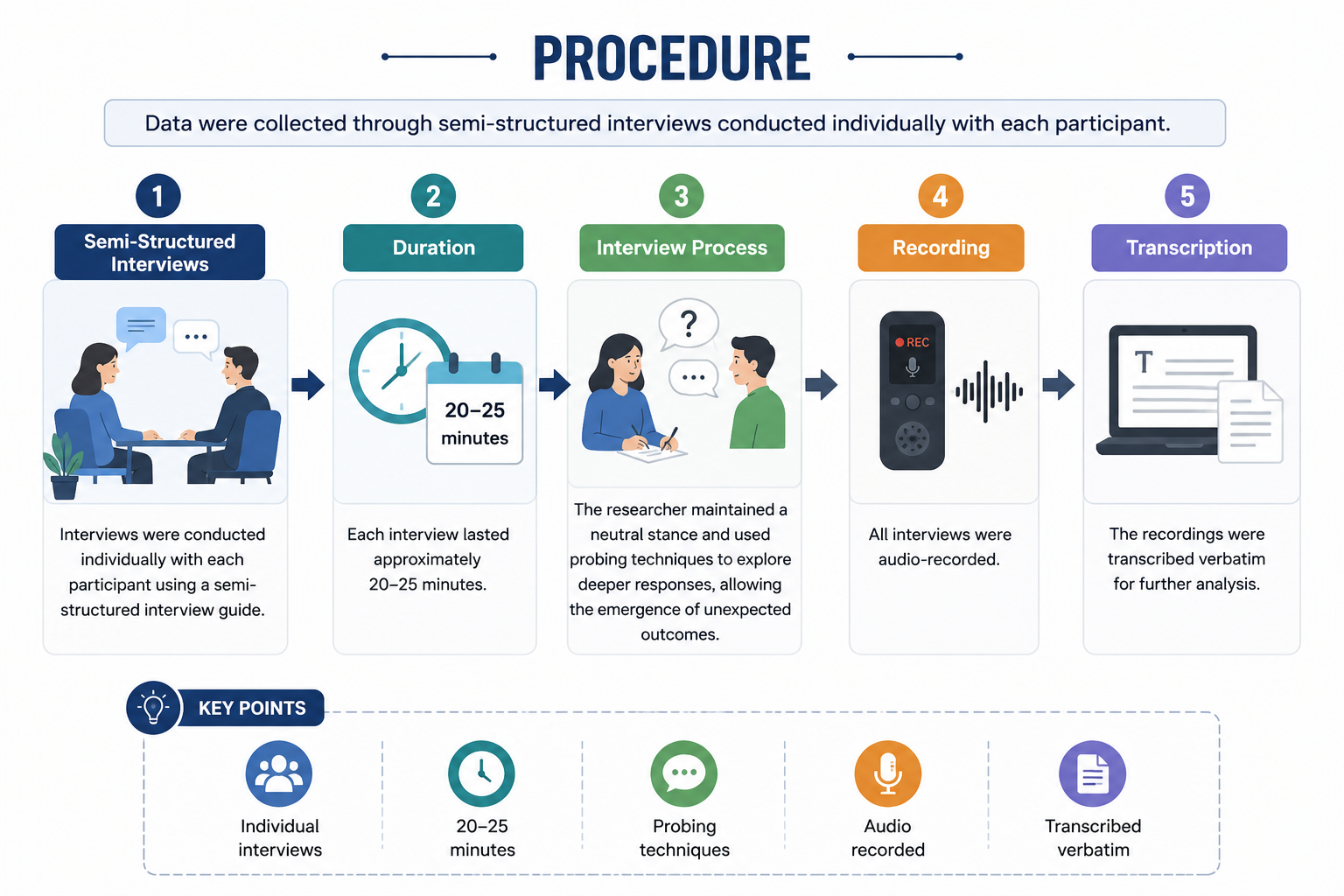
Evaluation of learning is generally focused on the achievement of predetermined objectives, which may overlook various impacts that emerge naturally during the learning process, particularly in Physical Education, Sports, and Health (PJOK), which is holistic in nature. This study aims to reveal the unexpected outcomes of PJOK learning using the Goal-Free Evaluation (GFE) approach. This study employed a qualitative evaluative case study design involving six student leaders from grades VII–IX, selected purposively. Data were collected through semi-structured interviews and analyzed using inductive thematic analysis. The findings identified five major unexpected outcomes of PJOK learning. Discipline and responsibility emerged as the most dominant theme, reported by all participants, while leadership, social interaction, and negative emotional experiences were identified by the majority of informants. Problem-solving skills also emerged as an additional outcome, although less frequently reported. These results indicate that PJOK learning produces a wide range of affective, social, and cognitive impacts beyond formal learning objectives. This study highlights the importance of using a Goal-Free Evaluation approach to capture both positive and negative learning outcomes more comprehensively. The findings contribute to strengthening the evaluation paradigm in PJOK by emphasizing authentic learning impacts that are often overlooked in goal-based evaluations.
Downloads
References
Adifa, F., & Amri, K. (2025). Improving students’ social skills through collaborative-based physical education learning. Siber International Journal of Sport Education, 2(2), 57–62.
Ahmad, Gustian, U., Y. Touvan Juni Samodra, & Rahmat Putra Perdana. (2022). Field Games To Stimulate Elementary School Students’ Problem Solving Ability. Jurnal Pendidikan Jasmani (JPJ), 3(2), 115-123.
Akmal, A. (2023). Hubungan Kedisiplinan dengan Hasil Belajar Peserta Didik Kelas X dalam Pembelajaran PJOK. Jurnal Pendidikan Tambusai, 7(3), 22832–22840.
Amirudin, N., A., Zahara, Nugraha, H., & Masyitah. (2024). Enhancing social skills: the impact of advanced physical education program development. Edu Sportivo: Indonesian Journal of Physical Education , 5(3), 218–227.
Akmal, A. (2023). Hubungan Kedisiplinan dengan Hasil Belajar Peserta Didik Kelas X dalam Pembelajaran PJOK. Jurnal Pendidikan Tambusai, 7(3), 22832–22840.
Bailey, R., Armour, K., Kirk, D., Jess, M., Pickup, I., Sandford, R., & BERA Physical Education and Sport Pedagogy Special Interest Group. (2019). The educational benefits claimed for physical education and school sport: An academic review. Research Papers in Education, 34(5), 1–27. https://doi.org/10.1080/02671522.2019.1677767
Bayu, W. I., Suroto, S., Nurhasan, N. Solahuddin, S. (2022). Peer observation, self-assesment, and circuit learning: improving critical thinking and physical fitness in physical education. Jurnal Ilmiah Pendidikan, 41(2).
Blegur, J., Yustiana, Y. R., Taufik, A., Ilham, M., & Hardiansyah, S. (2023). Integrating analytical thinking skills into physical education to improve student learning outcomes. Jurnal Keolahragaan, 11(2), 180–190.
Budiman, B., Burhaein, E., & Rusmana, R. (2024). Mengembangkan keterampilan sosial melalui model pembelajaran kooperatif dalam pendidikan jasmani. Jurnal Pendidikan Tambusai, 8(1), 8674–8680. https://doi.org/10.31004/jptam.v8i1.13702
Fahrizal, F., Rochman, T., & Yudho, F. H. P. (2025). Persepsi siswa terhadap kebijakan larangan praktik renang dalam pembelajaran PJOK di SMK. Jurnal Pendidikan Olahraga, 15(5)
Fittria, U., & Musolin, M. (2025). Goal Oriented Evaluation, Goal Free Evaluation dan Formatif–Sumatif Evaluation Model di MTs 3 Purworejo. PESHUM: Jurnal Pendidikan, Sosial dan Humaniora, 4(6).
Fitzpatrick, J. L., Sanders, J. R., & Worthen, B. R. (2022). Program evaluation: Alternative approaches and practical guidelines (5th ed.). Pearson Education.
Florencia, D., Septiadi, F., & Saleh, M. (2023). Pembelajaran PJOK Daring: Tingkat motivasi dan kecemasan siswa SDIT Attakwin pasca pandemi Covid-19. Jurnal Educatio FKIP UNMA, 9(4), 2149–2153. https://doi.org/10.31949/educatio.v9i4.5880
Halima, R. A., & Mustofa, T. A. (2022). Goal Free Evaluation. Iseedu: Journal of Islamic Educational Thoughts and Practices, 6(2), 139–145.
Ihsan, M., Sugeng, & Hasibuan, M. A. (2024). Evaluasi Program Pendidikan dengan Model Goal Free Evaluation. NABAWI: Jurnal Penelitian Pendidikan Islam, 2(1), 1–22.
Iskandar, N. M., & Rasmitadila. (2024). Peningkatan kualitas pembelajaran melalui evaluasi yang efektif: Tinjauan terhadap praktik dan metode evaluasi. Karimah Tauhid, 3(2), 2270–2287. https://doi.org/10.30997/karimahtauhid.v3i2.11945
Kardiyem, dkk. (2024). Evaluasi pembelajaran. Penamuda Media.
Khotimah, H., & Hidayat, N. (2023). Evaluasi pembelajaran: Konsep, model, dan pengembangan tes hasil belajar (dilengkapi evaluasi pembelajaran Kurikulum Merdeka). PT Literasi Nusantara Abadi.
Kirk, D. (2020). Physical education futures. Routledge.
Lenasari, R., Purnama, R., Ritonga, M. K., & Zulhammi, Z. (2025). Evaluasi pembelajaran transformatif: Mengukur perubahan perspektif dan kesadaran kritis siswa melalui metode refleksi terstruktur. PeTeKa: Jurnal Pendidikan dan Penelitian.
Mardiah, M., & Syarifudin, S. (2019). Model-Model Evaluasi Pendidikan. Mitra Ash-Shibyan. Jurnal Pendidikan dan Konseling, 2(1), 38-50.
Rubito, S. P., & Febriani, S. N. (2025). Sekolah unggulan dalam sorotan: Evaluasi tujuan independen (Goal-Free Evaluation). Deepublish.
Scriven, M. (1991). Evaluation Thesaurus (4th ed.). SAGE Publications.
Septian, R. D., Martini, T., Hidayat, Y., Hendrayana, Y. (2023). Students Critical Thinking Skills in Physical Education Learning: A Systematic Riview. Journal of Physical Education for Seconddary School, 3 (2).
Setiawidiantari, K. D., Bayu, G. W., & Ardana, I. W. (2025). Goal-Free Evaluation Approach in Providing Feedback on The Motivation and Learning Outcomes of Grade IV Students. MIMBAR PGSD Undiksha, 13(2), 377–387.
Stufflebeam, D. L., & Coryn, C. L. S. (2019). Evaluation theory, models, and applications (2nd ed.). Jossey-Bass.
Stufflebeam, D. L., & Zhang, G. (2017). The CIPP evaluation model: How to evaluate for improvement and accountability. Guilford Press.
Widoyoko, E. P. (2019). Evaluasi program pembelajaran. Pustaka Pelajar.
Yuliani, Y. (2024). Utilization of evaluation results and reflection on evaluation implementation. Jurnal Konseling Pendidikan Islam, 6(1). https://doi.org/10.32806/jkpi.v6i1.184
Xiao Li. (2024). Middle School Student's Leadership Skills and Their PE Class Participation. Journal of Education and Educational Research, 7 (2).
Scriven, M. (1991). Evaluation thesaurus (4th ed.). Sage Publications.
Stufflebeam, D. L., & Coryn, C. L. S. (2019). Evaluation theory, models, and applications (2nd ed.). Jossey-Bass.
Downloads
Published
Issue
Section
Categories
License
Copyright (c) 2026 Muhammad Ashfal Ashfiya', ME Winarno (Author)

This work is licensed under a Creative Commons Attribution 4.0 International License.